If you're looking for a high-powered ride around Hamilton, Madison, or Morrisville, NY, or even an unforgettable out-of-town adventure, then you need the right ride to take you there. Ford and Subaru are known for crafting vehicles that are built for adventure, but which one has the right SUV for your specific needs?
Our team at Friendly Ford of Hamilton wants to help you answer that question with this Ford Explorer vs. Subaru Ascent comparison.
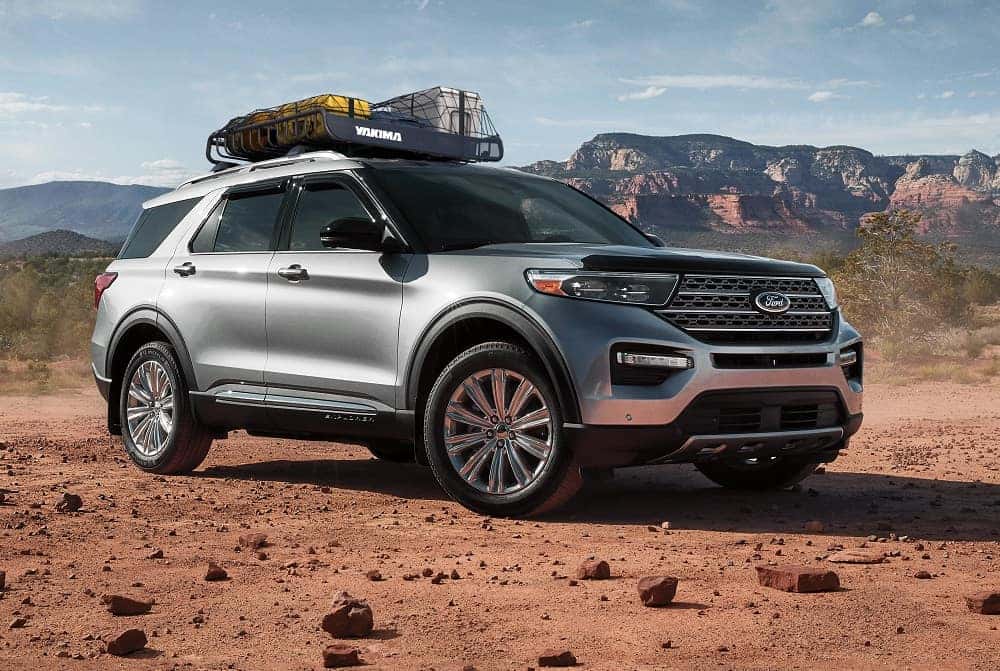
If you're looking for a bold SUV built to take you far and wide, then you need a well-crafted engine to power through all your excursions. To suit a wide range of driving preferences, the Ford Explorer offers the following engine options:
|
Engine Option |
Horsepower |
Torque |
|
2.3-liter EcoBoost® turbocharged I-4 |
300 HP |
310 lb-ft |
|
3.0-liter EcoBoost® twin-turbocharged V6 |
400 HP |
415 lb-ft |
|
3.3-liter Hybrid V6 |
318 HP |
322 lb-ft |
The Subaru Ascent, on the other hand, only has one motor available to you. And with just 260 horsepower and 277 lb-ft of torque, this powertrain doesn't even measure up to the baseline performance of the Explorer.
The Explorer also offers a hybrid engine and earns an EPA-estimated 27 city/29 highway MPG. Although the gas engine in the Ascent is highly efficient, too, with an EPA-estimated 21 city/27 highway MPG, you'll be making more gas station stops in this SUV.
The engines in the Ford allow it to tow a heavier load than the Subaru. With the Ford Explorer, drivers will be able to tow up to 5,600 pounds when the vehicle is properly equipped, while Subaru drivers will only be able to tow 5,000 pounds.
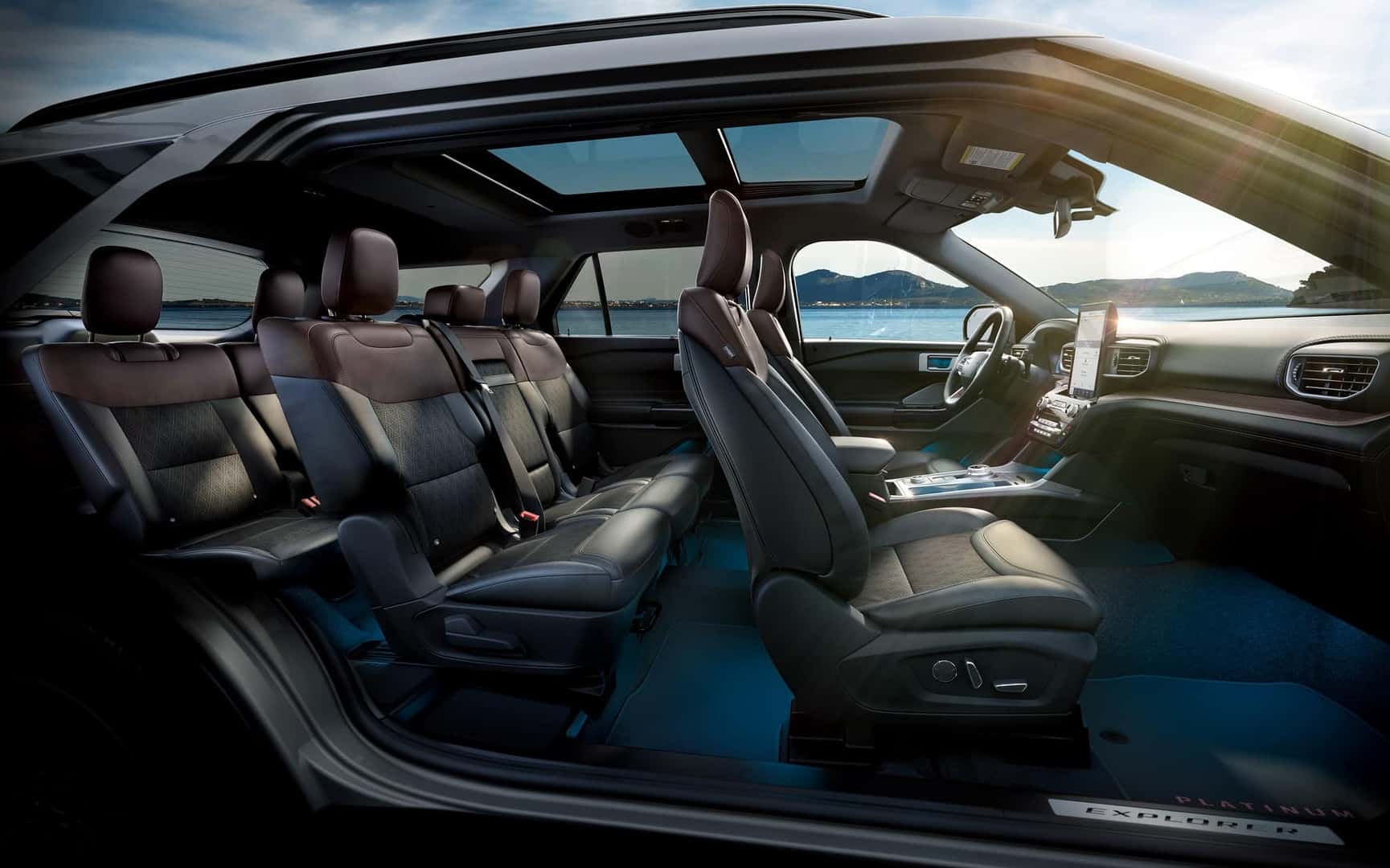

With three rows of seating, the Ford Explorer and the Subaru Ascent have space for all your road trip buddies as well as their gear. You and your friends may enjoy stretching out in the Explorer more, though, since it offers extra leg space overall.
Ford Explorer
Subaru Ascent
The Explorer also provides more headroom to third-row riders with 38.9 inches, while the Ascent only has 36.3 inches of headroom to offer.
If you want to maximize cargo space, you’ll want to consider the Ford Explorer over the Subaru Ascent. Behind the first row, you’ll get 87.8 cubic feet of cargo space and 47.9 cubic feet behind the second row. By comparison, the Subaru has 86.5 cubic feet of cargo volume behind the first row and 47.5 cubic feet behind the second row.
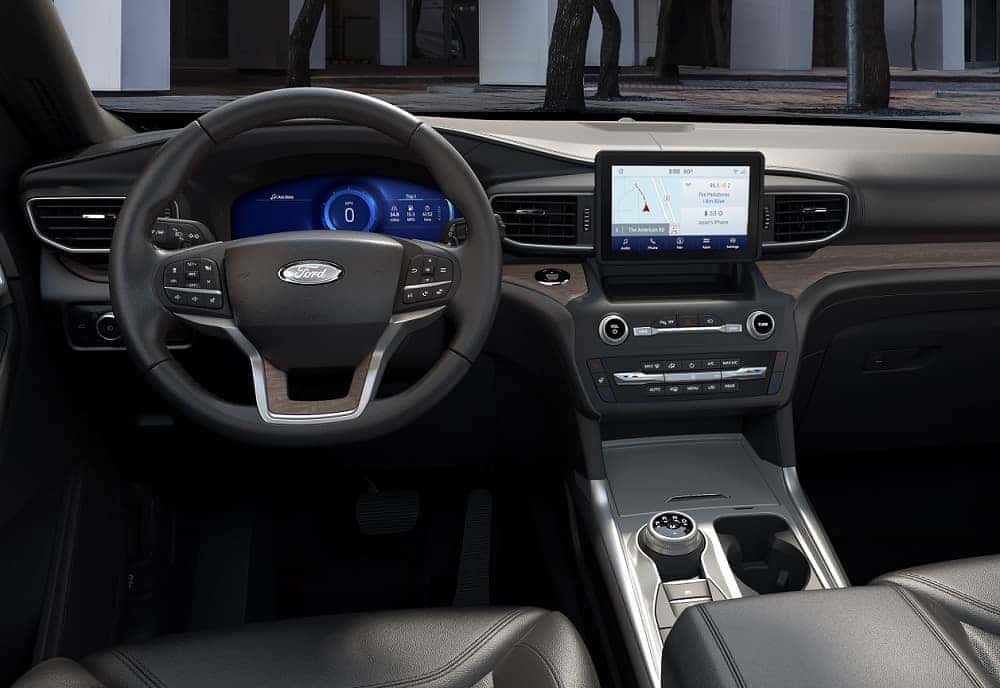
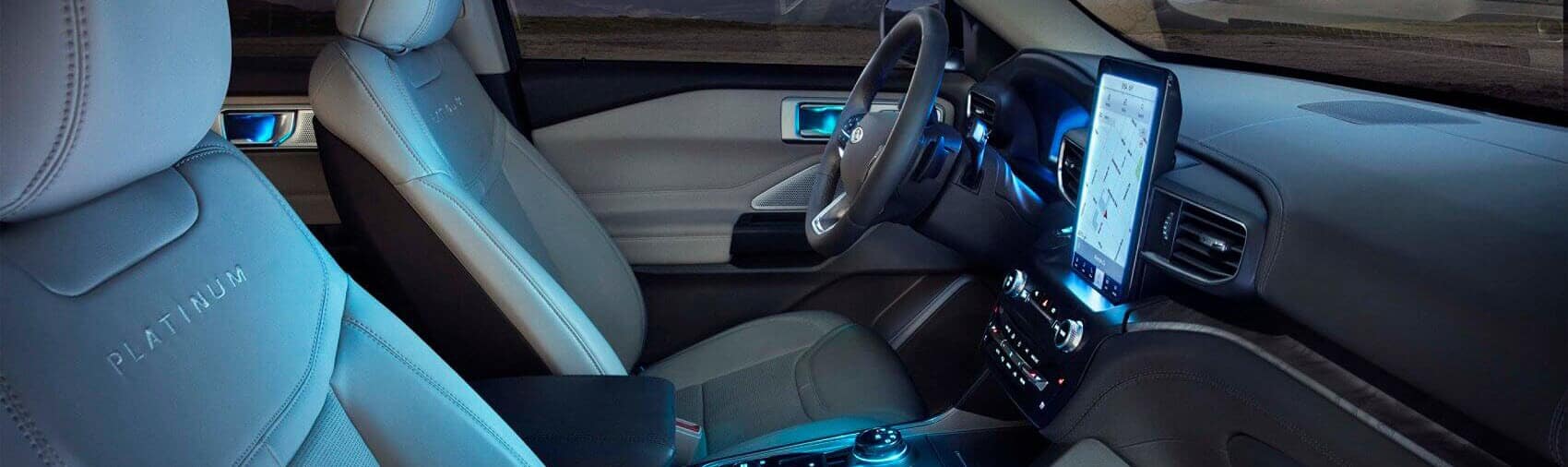
Infotainment plays a massive part in making sure you enjoy your drives every day. Both the Ford Explorer and the Subaru Ascent allow you to get the most out of your music, podcasts, and so much more with standard Bluetooth® audio streaming, Apple CarPlay®, and Android Auto™ to go along with 6-speaker systems in each vehicle.
However, you can get the most out of your infotainment experience in the Ford Explorer. An available 10.1-inch LCD touchscreen display trumps the available 8-inch touchscreen you’ll find in the Subaru. You can also maximize your audio experience in the Ford thanks to an available 980-watt, 14-speaker B&O Sound System by Bang & Olufsen. The Subaru also offers a 14-speaker audio system, but it’s only 792 watts.
Worried about using up your smartphone’s data? The Ford and the Subaru both come with a 4G LTE Wi-Fi hotspot, which is standard in the Explorer but not in the Ascent. To get this feature in the Ascent, you’ll need to upgrade to a higher trim level.
Both the Ford and the Subaru offer unique in-vehicle technology that goes hand in hand with their touchscreens. The Ford comes with SYNC® 3, and the Subaru comes with STARLINK cloud-based applications. If you want to get the most out of your vehicle’s technology, you’ll want to look at the Ford because of SYNC® 3.
This tech allows you to literally do everything from ordering a pizza to accessing in-vehicle apps and smartphone apps like music, podcasts, navigation and more. You can also find manuals and how-to videos about your car in case you ever need them. SYNC® 3 also teams up with Amazon Alexa and Waze to provide premium app options as well as top-notch navigation.

To ensure every journey is as enjoyable as possible, the Explorer and the Ascent come standard with a Lane-Keeping System and Automatic Emergency Braking. The latter feature works by warning when you're too close to a frontal object and applies the brakes if needed to help avoid impact.
The Ford Explorer also includes BLIS® (Blind Spot Information System) with Cross-Traffic Alert and Auto High-Beam Headlamps on the baseline model. This system helps you change lanes with confidence by alerting you to vehicles traveling in your blind spot. If you want to make this technology available in the Subaru Ascent, though, you'll need to upgrade to a higher trim level.
The Ford Explorer also makes parking easier than ever. With available Active Park Assist 2.0, all you have to do is push a button and the vehicle will do the rest. It will determine if the parking space you’re about to pull in or back into offers sufficient space for your vehicle to fit.
Combined with park out assist, side-sensing capabilities will easily allow you to pull out of a spot when someone is parked right up against you.
Either of these SUVs can take you on your next adventure, but if you want a more high-powered ride with bold efficiency, extra legroom, and advanced safety features, then the Ford Explorer is the right option for you.
Learn more about this vehicle at Friendly Ford of Hamilton. Our Hamilton, Madison, and Morrisville, New York, friends can contact us today to schedule a test drive.